Application fit
Translate product keywords into temperature, surface, movement, exposure, and assembly requirements.

HEXPOL material programs
HEXPOL supports sourcing teams that need practical product shortlists, application evidence, sample planning, and documentation for elastomer, plastic processing, packaging, and resin-adjacent projects without turning every RFQ into a blind catalog search.
Specification checkpoints
| Parameter | Review Range |
|---|---|
| Carrier families | PET film, acrylic foam, PVC backing, non-woven, silicone self-fusing elastomer |
| Thickness control | Program-specific tolerance review for die-cut and roll-stock formats |
| Adhesive behavior | Peel, tack, shear, dwell time, temperature exposure, liner release |
| Condition | Typical Question |
|---|---|
| UV and outdoor use | Is the adhesive exposed directly, sheltered behind a trim part, or protected by an overlay film? |
| Chemical contact | Which cleaners, oils, plasticizers, or release agents may remain on the substrate? |
| Assembly load | Is the joint carrying static weight, vibration, cyclic flex, or temporary masking only? |
| Document | Use |
|---|---|
| Datasheet pack | Material shortlist approval, engineering release, and purchasing comparison |
| Application note | Surface preparation, temperature window, bonding pressure, and sample conditioning |
| Compliance statement | REACH, RoHS, packaging, automotive, or customer-specific restricted-substance requests |
Why buyers use this desk
Translate product keywords into temperature, surface, movement, exposure, and assembly requirements.
Separate die-cut tape, dispensed adhesive, flexible film, molded repair, and foam formats early.
Request SDS, RoHS, REACH, FDA 21 CFR, ISO 10993, or customer-specific forms before approval stalls.
Match trial quantities with substrate type, cure window, storage condition, and production calendar.
Compare waste rate, line speed, rework reduction, and packaging efficiency instead of unit price alone.
Document the assumptions behind every replacement so engineering and purchasing review the same evidence.
Application environments

Seals, vibration control, interior soft touch and adhesive systems that need repeatable documentation.
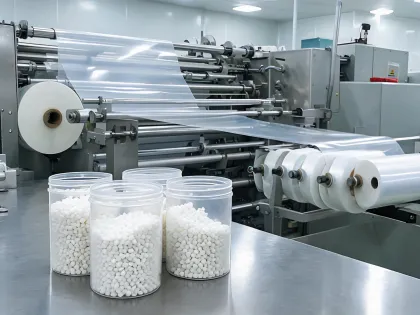
Resins and tackifier systems evaluated for adhesion, clarity, migration and line stability.
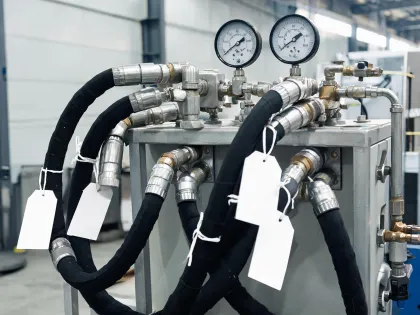
Elastomer choices for hose, profile, sheet and molded part programs exposed to fatigue and fluids.
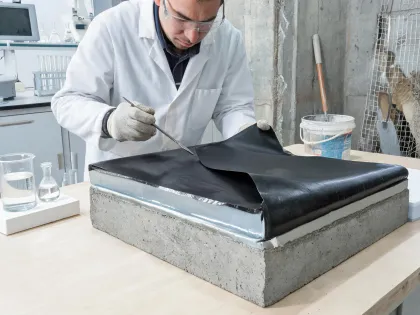
Polymer-modified systems assessed for aging, tack retention, UV exposure and field installation tolerance.
"We needed a transparent material story that engineering, brand and sourcing could all understand before committing to the tool."
"The useful part was seeing the qualification questions early, not after procurement had already asked for price by kilogram."
"Recycled-content claims became easier to discuss once the team separated marketing language from what the application could actually tolerate."